




Creating a relaxing home workspace is essential for staying productive and maintaining a healthy work-life balance. Whether you work remotely full-time or occasionally need a quiet place to focus, setting up an environment that promotes calm and concentration can make all the difference. In this post, we’ll explore effective tips for designing a workspace that helps you stay relaxed and motivated throughout your workday.
Why a Relaxing Workspace Matters
Working from home offers flexibility but also brings distractions and stress. A well-designed workspace encourages better focus, reduces anxiety, and improves overall work quality. When your environment feels inviting and organized, it’s easier to maintain energy and creativity.
Choose the Right Location
Find a Quiet Spot
Select a room or corner that’s away from household noise and foot traffic. If possible, use a separate room with a door to minimize interruptions. Quietness helps your brain shift into work mode.
Consider Natural Light
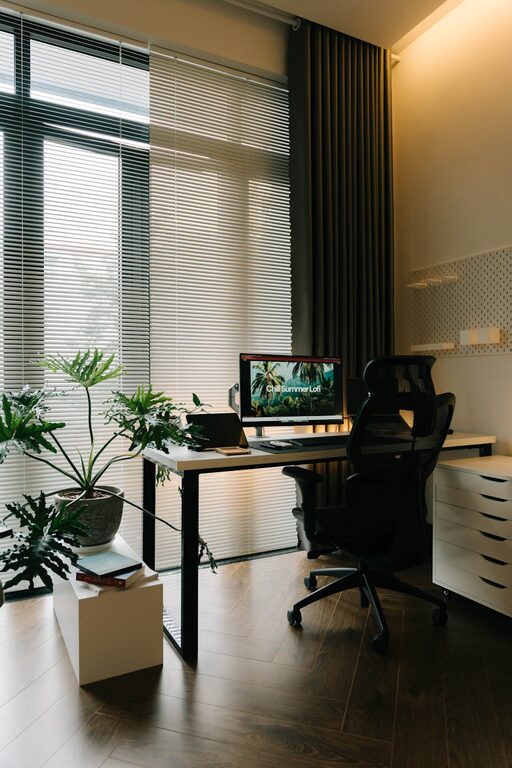
Natural light positively impacts mood and alertness. Set up your workspace near a window to enjoy daylight. If natural light is limited, use soft, cool-toned lighting that mimics daylight to reduce eye strain.
Invest in Comfortable and Functional Furniture
Ergonomic Chair and Desk
An ergonomic chair offers good back support and adjustable settings. Pair it with a desk at a comfortable height to keep your posture healthy. Sitting comfortably helps you work longer without discomfort.
Keep Essentials Within Reach
Organize your desk so that frequently used items—like pens, notebooks, and your computer—are easy to access. Avoid overcrowding the workspace to keep it neat and inviting.
Declutter and Organize
Minimalism is Key
A clutter-free desk reduces distractions and mental overload. Only keep necessary items on your desk and store the rest in drawers or shelves.
Use Storage Solutions
Use organizers, trays, and shelves to keep papers, chargers, and office supplies tidy. Label folders and files digitally or physically for quick access.
Add Elements of Calm
Bring in Greenery
Plants can improve air quality and create a soothing atmosphere. Choose low-maintenance plants like succulents or pothos to add a natural touch to your workspace.
Choose Relaxing Colors
Soft, muted colors like blues, greens, or neutrals promote calmness. Consider incorporating these colors in your wall paint, desk accessories, or artwork.
Incorporate Personal Touches
Add a few personal items that make you happy, such as photos, motivational quotes, or art prints. These can boost your mood without overwhelming your space.
Manage Noise and Distractions
Use Noise-Canceling Headphones
If you can’t avoid background noise, noise-canceling headphones or soothing instrumental music can help you stay focused.
Set Boundaries with Household Members
Communicate your work schedule and workspace boundaries to family or housemates to minimize disturbances during work hours.
Take Care of Your Wellbeing
Include Movement and Breaks
Set reminders to take short breaks for stretching or walking around every hour. Movement helps reduce tension and refreshes your mind.
Keep Hydrated and Nourished
Place a water bottle nearby and prioritize healthy snacks at hand. Staying hydrated and nourished supports concentration and energy levels.
Optimize Technology
Use a Quality Monitor and Keyboard
A larger monitor or dual-screen setup can reduce eye strain and improve efficiency. Comfortable keyboards and mice also prevent fatigue.
Keep Cables Managed
Use cable organizers or clips to keep cords untangled and out of your way. A tidy workspace extends to your technology setup too.
Create a Routine Around Your Workspace
Start Your Day with a Ritual
Begin work with a consistent routine such as tidying your desk, reviewing your tasks, or lighting a candle. This signals to your brain that it’s time to focus.
End Your Workday by Disconnecting
When you finish work, close your laptop and tidy your workspace. This physical separation helps you switch off and relax at home.
—
By thoughtfully creating a relaxing home workspace, you encourage a productive mindset while supporting your mental and physical wellbeing. Use these tips to build an environment that feels comfortable, organized, and inspiring — turning your home office into your best work ally.



More Stories
Tips for Creating a Cozy and Inviting Home Office Space
Tips for Creating a Cozy and Productive Home Office Space
Tips for Creating a Comfortable and Productive Home Office Space